MEL (Miscellaneous Electric Load)
Recommended MEL Tasks:
N-now MEL tasks
Replace Incandescent Lighting with Fluorescent or LED Lighting
Install Photo-Controls
for Exterior Lighting
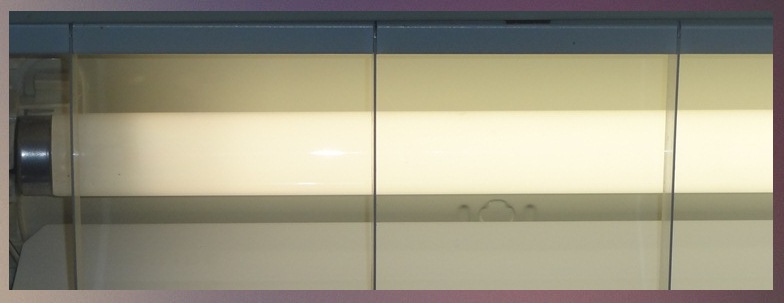
Replace Old Fluorescent Lighting with New Fluorescent or LED Lighting
Install Energy Monitoring Devices (Smart Plugs)
R-research MEL tasks
Replace Older Refrigerators with High-Efficiency Units
Install Energy and Water-Efficient
Clothes Washers and Dryers
Install Lighting Controls
Upgrade Exterior Lighting Fixtures
Install
a Whole House Electricity Monitor
G-greenMEL tasks
Install Photovoltaic Panels or Solar Singles
Install Condenser Heat Recovery or Solar
Pool Heater
MEL - Overview
MELS (Miscellaneous Electric Loads) include all electric loads within your home that result from electronic devices not responsible for space-heating, space-cooling or water heating. MELs can either be hard-wired or plug-in electrical devices. Examples of MELs include: lighting, refrigerators, clothes washers and dryers, stoves, home entertainment centers, kitchen electronics (microwaves, toaster ovens, food processors), hair dryers, ceiling fans, power adapters, pool pumps, computer equipment, televisions, door bells, and many others. As home electronics are becoming more sophisticated and widespread, MELs are on the increase. MELs can be lowered by using fewer electronic devices, choosing more efficient electronic devices, modifying occupant behavior and managing standby power.
MELs can be separated into the following three categories (Lighting; Appliances and Other). Each of these three categories is responsible for roughly one-third of the MEL energy cost within an average house.
MEL - Lighting
Standard incandescent bulbs are the most common lighting sources for homes. However, incandescent lamps are very inefficient. They convert only about 10% of the electricity the used to lighting. The other 90% of electricity used just produces waste heat. Lighting options that are more energy efficient include compact fluorescent lamps (CFLs) use thin tubes and can reduce the energy use by 75% when compared to standard incandescent lamps. T8 fluorescent lamps use newer, thinner, lower-wattage fluorescent tubes in newer fixtures (with electronic ballasts) can reduce energy use by 25% when compared to older (T12) tubes in older fixtures (with magnetic ballasts). Note: using newer (T8) bulbs in older, magnetic ballast fixtures will reduce both savings and the life of the T8 bulb and can also result in flicker. LED lighting is a rapidly evolving technology that produces light in a new way. It is beginning to surpass the quality and efficiency of existing lighting technologies and is becoming more affordable every day. LED lighting saves about 90% when compared to incandescent and 50% when compared to fluorescent. LED lighting last a very long time and is better than fluorescent for exterior during cold weather.
Lighting efficiency (called efficacy) is measured in lumens per Watt (more is better). When selecting lighting for your house, you should also consider the color rendition that they provide. This is measured by the color rendition index (CRI) which compares the ability of the lamp to render color similar to natural light. In addition to installing energy efficient fixtures and lamps in areas that have high continuous lighting use, there are other ways to save on lighting costs. The following lighting opportunities apply to all home designs:
When choosing lighting fixtures, you should consider long term energy costs of the fixture as well as the purchase price. Energy efficient lighting alternatives produce less heat, which will save money on cooling costs. They also last much longer than standard incandescent lamps.
MEL - Appliances
The cost of operating major appliances is a significant portion of MEL energy. While most new appliances offer a wide variety of features, many models are not designed to be energy efficient. When choosing appliances, it is important to consider their operating costs, which are the costs for the energy they require to run. In addition, consider the purchase price and the various features and conveniences that each appliance offers.
Appliances that operate efficiently may cost more to buy, but the energy savings they provide make them a good investment. An energy efficient model can save hundreds of dollars over the life of the appliance. In addition to saving money on operating costs, energy efficient appliances give off less waste heat than standard models. Therefore, energy efficient appliances help keep rooms inside the house cooler during warm weather. In most houses, the major appliances that consume the most energy are refrigerators and clothes dryers. Refrigerator efficiency has improved dramatically over the past three decades. Replacing an average efficiency, average size refrigerator (20 cubic feet) at an average electricity cost ($0.111 per kWh) with a new refrigerator, you will save approximately: $15 per year replacing a 10 year old refrigerator; $50 per year replacing a 20 year old refrigerator; $150 per year replacing a 30 year old refrigerator. To compare the energy usage of one appliance to another, use the bright yellow-and black Energy Guide label. The top, large number on the EnergyGuide label estimates how much that appliance model will cost to operate each year based on an average national electricity cost. The dollar cost for a particular model is shown on a line scale that compares its energy cost with the models with the lowest and highest annual energy costs. The EnergyGuide label also displays the appliance’s energy consumption, such as the estimated yearly electricity use. To facilitate comparison, the label provides the name of the manufacturer, model number, type of appliance, and capacity. Use the exact energy rates from local utilities to more precisely estimate operating costs for the appliance. Unlike refrigerators, clothes dryers have seen very small efficiency gains in the United States over the past three decades. This is changing with the recent introduction of ventless dryers. Ventless dryers use heat pump technology and consume less than half the energy of conventional vented dryers. However, the cost premium associated with ventless clothes dryers will require careful evaluation this new option. In addition to the energy consumed and exhausted, vented clothes dryers that are located within a conditioned space in the house exhaust conditioned air from the home, which increases air conditioning and space-heating energy consumption. If you are using a vented dryer within a conditioned space then methods of providing ventilation (make-up air) to the clothes dryer should be considered.
The U.S. Environmental Protection Agency (EPA) and Department of Energy (DOE), working with appliance manufacturers, have developed the ENERGY STAR labeling system to indicate appliances that meet their criteria for energy efficiency. The ENERGY STAR label may be found on clothes washers, refrigerators, dishwashers, and room air conditioners. An appliance receives the ENERGY STAR rating if it is significantly more energy efficient than the minimum government standards, as determined by standard testing procedures. The amount by which an appliance must exceed the minimum standards is different for each rated product and depends on available technology. However, ENERGY STAR rated products are always among the most efficient available.
MEL - Other
MEL - Electricity Monitors
One reason MELs are difficult to reduce is because the use of small electric devices are controlled directly by individuals. One way to reduce MELs is by the use of energy monitoring devices that will help you determine the energy use associated with each devise. The use of energy monitoring devices has been shown to led to whole-house savings of 10% or more by allowing people to identify and reduce standby power and as well as cut back on unnecessary energy usage. Monitors range from smart plugs that measure/control what you plug into them to whole-house monitors that provide home owners with data on where and how efficiently electricity is being used. It connects directly to your electric box, and may require an electrician, but is extremely precise and can be paired with software so you can track usage over time. If you are willing to spend the time, these monitors can help you identify the cost of running everything from energy-eating small appliances to energy drains such as appliances operating in stand-by mode. Whole-house electricity monitors are not meter replacements. They simply translate the rotations (our power source draws) grom your electric meter to provide you with accessible data. Most utility companies have no problem with tools like these. Some whole-house monitors will require hiring an electrician to help with the installation.
MEL - Heating a Swimming Pool
A heat recovery unit can be installed to recover the concentrated high temperature heat from your air conditioner (or heat pump) condenser circuit and use it to heat the water in your swimming pool. This will provide free pool water heating during the season that the air conditioner operates and extend the swimming season without increasing your energy bill. In fact your energy bill will be reduced because the condenser heat recovery unit will lower the head pressure of the compressor, which improves the efficiency of your existing HVAC system and provides an air-conditioning savings of 10 to 20%. Alternatively, a solar pool heating system can be a viable option in some locations. However, installing a heat recovery unit to capture waste heat from your HVAC condenser has advantages like operating day or night, rain or shine, with no solar panels on the roof and it is maintenance free.
MEL - Photovoltaic Panels/Shingles
Thanks to photovoltaic technology, any sunny rooftop can be converted into a solar power generator. As solar technologies improve, product designs are becoming less visible thanks to the development of solar shingles. Traditional solar cells are usually arranged in a flat metal plate interlaced with conductive wires. Thin-film cells are overlaid with a layer of semiconductor material which makes them flexible and adaptable to a variety of shapes. Thus, thin-film solar roof shingles can look and function much like any roof shingle, with the added benefit of generating power. Solar panels and solar roof shingles are both viable options, but they differ in effectiveness, cost and appearance.